
GoodShort’s Free Episode Route Has No Fixed Tap Count
The shortest route past a locked episode runs through daily check-in and ad rewards. Bonus prompts add motion, but they do not always add enough coins or viewing time to matter.
Streaming · August 11, 2026 · 8 min read
There are no plot spoilers here. This is streaming coverage about the machinery around a micro-drama, meaning a vertical series told in one-to-two-minute episodes, rather than any particular show.
The useful place to begin is the first locked episode after a viewing session. The previous cliffhanger has landed, the next installment is visible, and the app wants coins before it will play. From that screen, every extra press belongs in the cost of continuing: leaving the series, opening rewards, claiming an item, starting an ad, closing it, collecting the payout, navigating back and unlocking the episode.
That sounds fussy until the episode itself lasts less time than the detour. GoodShort’s free route should therefore be measured in two currencies. Coins determine whether the lock opens. Taps and waiting time determine whether opening it still feels like watching television rather than clearing notifications.
Why there is no honest universal tap total
A single number would be neat and unreliable. The route depends on which daily rewards remain available, whether the account has already checked in, how many coins the locked episode requires, which bonus cards appear and whether an ad loads. The close control on an ad can also arrive after the video, after an additional end card, or behind a second dismissal screen.
That makes the tap count conditional. GoodShort presents several possible routes toward the same locked episode, but the visible presence of a reward does not mean the reward can finish the job. A daily check-in may reduce the balance needed without covering it. One ad may supply the remainder, or the viewer may return to the lock still short and face another lap through the rewards area.
The count should begin at the locked episode, not after the rewards page is already open. It ends when playback resumes, not when coins enter the account. This catches the navigation presses that reward systems politely leave out of their own arithmetic, including the trip back to the series and the final unlock confirmation.
Count intentional presses only. Do not count waiting for a video to finish, but record that time separately; do count a close button, a claim button and any second confirmation because each one delays the return to the episode. If an ad ends on an interactive card that needs dismissing before the reward appears, that dismissal belongs to the route too.
The shortest sensible order
At the first locked episode, compare the displayed coin balance with the displayed unlock price. That subtraction is the whole assignment. A reward path is useful only if its stated payout erases the shortfall or moves it close enough that one more clearly labeled action will.
Start with the daily check-in when it remains unclaimed. It is the least disruptive category because it asks for attention but not an ad-length pause, and a check-in reward, meaning a once-per-day claim tied to opening or visiting the app, does not usually improve when saved for later. Open the reward area, claim it, and check the new balance before touching anything else.
Return mentally to the locked episode here, even if the app keeps the rewards page open. If the check-in covers the shortfall, further bonus cards are clutter. Navigate back and unlock. The route contains some menu work, but every press has contributed directly to resuming the series.
If the balance remains short, inspect the ad reward before starting it. An ad reward is a coin or episode benefit granted after a promotional video completes. The important information is the stated payout, not the size or color of the button; when that payout covers the remaining gap, the ad has a defined purpose, and when it does not, the viewer is agreeing to another decision screen before knowing whether a second useful ad will be offered.
Start one ad at a time. Let it finish, dismiss its end card, claim the reward if GoodShort requires a separate claim, then recalculate. Repeatedly launching ads without revisiting the balance turns a measurable exchange into a queue, which suits the app rather better than the person holding the phone.
Bonus screens come last. A bonus screen is a promotional reward page tied to an extra task, timed offer or secondary claim. Some bonuses may add spendable coins; others chiefly route the viewer toward another page, another ad or a future return. The label matters less than the payout shown beside it.
If the benefit cannot be applied to the waiting episode, it does not belong in the current viewing session.
Which rewards buy meaningful viewing time
The daily check-in usually has the cleanest attention cost because claiming it takes less time than watching even a very short episode. Its limitation is scale. Once claimed, it cannot keep supporting the same session, so it works best as the first reduction in the coin gap rather than a complete free-viewing strategy.
A single ad can also be reasonable when its displayed reward unlocks the next episode outright. The viewer trades one bounded interruption for one known installment. That exchange may still feel expensive beside a minute-long drama, but it is legible, and the series resumes without an uncertain chain of bonus pages.
The value drops sharply when one ad does not close the gap. A second ad means a second start, wait, dismissal and possible claim screen, while a failed load or delayed reward adds time without advancing the episode at all. At that point, the free route can exceed the runtime it releases, especially when the unlocked installment spends its final seconds setting up another coin wall.
The first locked episode remains the right anchor. Add the time spent from that screen until playback restarts, then compare it with the episode’s runtime. If the detour is shorter, the free reward route has extended the session. If the detour lasts longer, GoodShort has replaced one micro-drama episode with an advertising session that happens to end in fiction.
A bonus prompt deserves harsher treatment because it often hides its attention cost behind novelty. Opening a task page, discovering that the reward arrives later, backing out and trying another card can consume several presses without changing the current balance. A prompt is not a reward merely because it uses a gift-box icon.
A tap audit that takes one episode
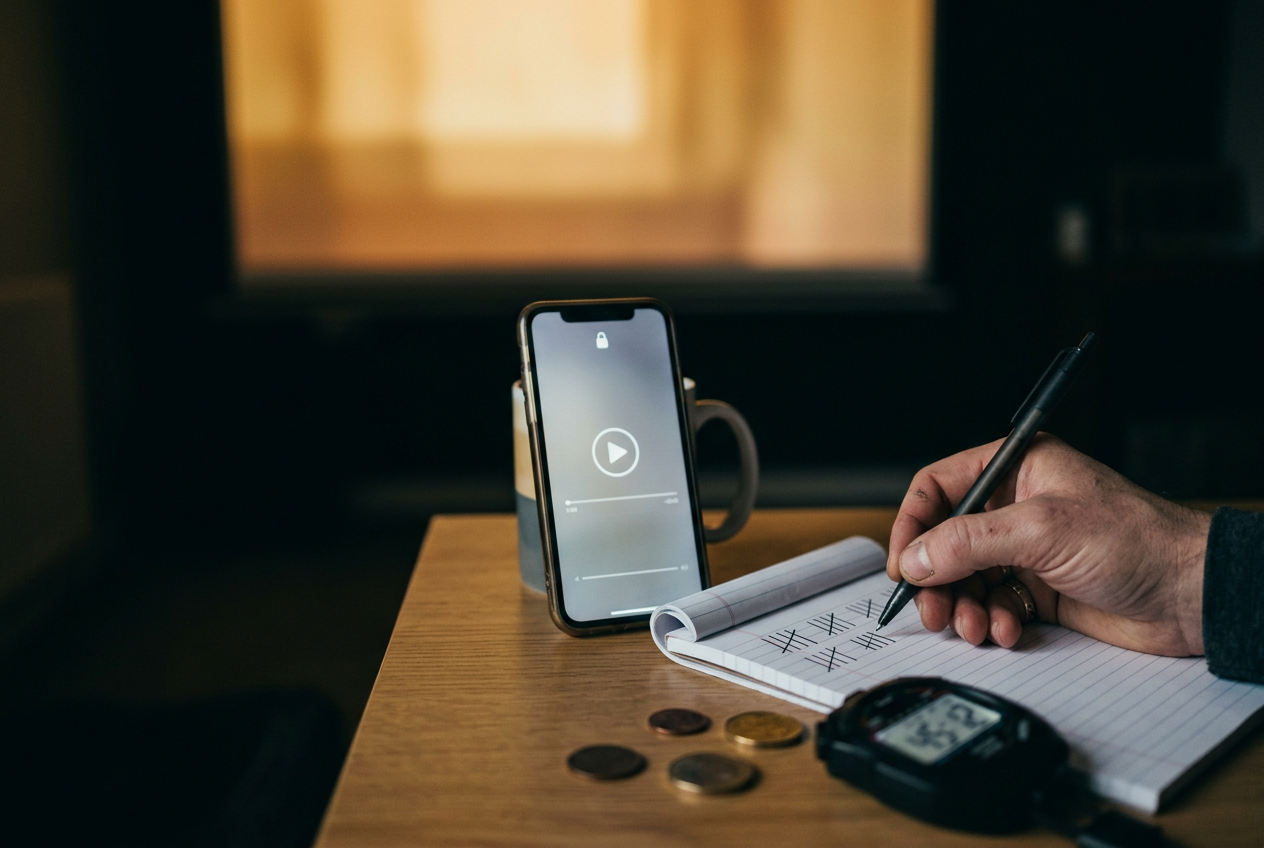
There is a practical way to get the number for the version of GoodShort on a particular phone. At the next locked episode, note the coin shortfall and start a stopwatch. Count every press until the episode plays: navigation, claims, ad starts, ad dismissals, back controls and the final unlock. Keep waiting time in the stopwatch total even though it is not a tap.
Then write the result as a route rather than one flattering number: locked episode to check-in, check-in to one ad, ad to claim, claim back to series, series to unlock. This shows where the friction sits, and it prevents a five-screen detour from being described as one action merely because the app groups it under “rewards.”
Repeat the audit only after the daily check-in has been used. The second locked episode reveals the sustainable route, since the easiest reward is gone and the session now depends on repeatable offers. If that second route requires multiple ads or speculative bonus pages, the free model is no longer supporting continuous viewing. It is rationing episodes between chores.
This distinction matters more than the raw tap count. Eight quick, productive presses may cost less attention than four presses separated by two ads and an end card. Conversely, a long menu route can still be tolerable when it unlocks several episodes, although the viewer should confirm that the reward applies beyond the immediate lock rather than assuming a larger-looking bonus will stretch further.
When paying becomes the cleaner option
Buying coins removes some reward navigation, but it does not automatically make the app good value. The relevant comparison is the cost of enough coins for the intended session, not the cheapest package displayed, because a small balance that stalls two episodes later has only moved the interruption.
Before paying, inspect how many episodes remain and whether their unlock prices are visible. GoodShort’s coin paywall, meaning a lock that charges in-app currency for access, turns the final stretch of a series into a budgeting problem when the viewer cannot estimate the total required. A package is easier to assess when the remaining commitment can be calculated from information on screen.
For an occasional viewer, one check-in plus one productive ad may be the least irritating route. For someone trying to finish a series in one sitting, repeated reward laps can consume more time than their unlocked episodes, and purchasing only makes sense if the total coin requirement is clear before checkout. If it is not clear, stopping at the first locked episode is a rational format choice, not a failure of patience.
Questions people ask
How many taps does
GoodShort require to watch the next episode free?
There is no fixed total because the route changes with the available rewards, current coin balance and ad-close screens. Count from the locked episode until playback resumes, including navigation, claims and dismissals. The useful total is the one attached to the live offer on your account, not a universal number quoted without those conditions.
Should
I claim the GoodShort daily check-in before watching ads?
Yes, when it is available. The check-in is usually the lowest-attention way to reduce the coin shortfall, and claiming it first may remove the need for an ad. Recheck the balance immediately afterward rather than opening every visible bonus, since additional rewards have no current value once the waiting episode can be unlocked.
When is a GoodShort ad reward worth using?
Use an ad when its displayed payout covers the remaining unlock cost or leaves a clearly manageable gap. If several ads are required for one short episode, time the full route. Once the reward detour lasts longer than the installment it releases, the app is extending the ad session more effectively than the viewing session.
Is buying
GoodShort coins better than using bonus screens?
Buying can be cleaner for finishing a series, but only when the remaining episode count and coin requirement are clear enough to estimate the total. Bonus screens suit occasional viewing when a claim or one ad closes the gap. Avoid paying merely to escape an unclear maze, since a small package may produce another lock almost immediately.
One update a day
Today's review, in your inbox
One review each morning — no hype, no filler, just what is worth watching.


