
Prime Video’s Ad Breaks Matter More Than the Ad Count
A useful Prime Video ad audit has to record the cut before each interruption, not promise one universal break count. Cold opens, scene changes and end credits reveal whether the cheaper experience is tolerable.
Streaming · August 11, 2026 · 8 min read
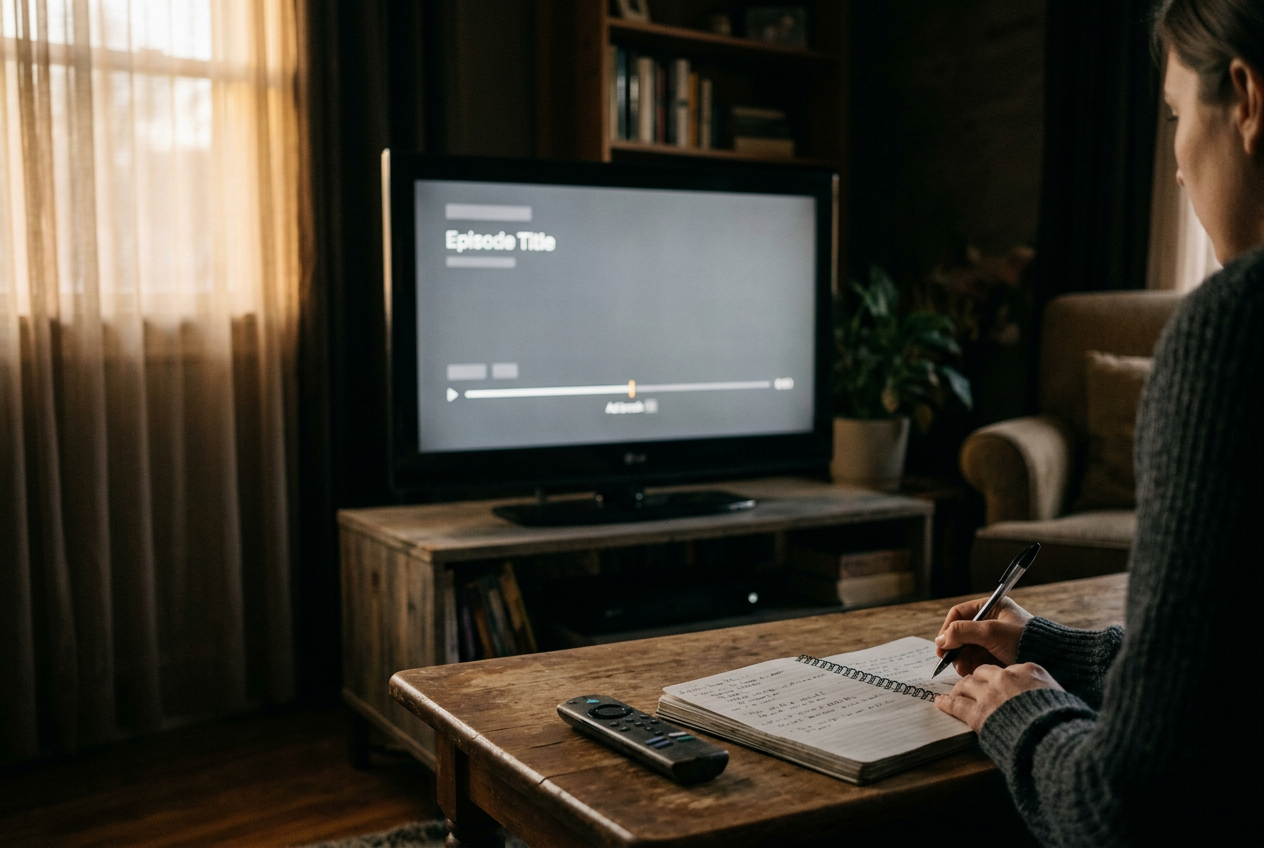
This is streaming coverage, and the practical choice is bigger than whether you dislike commercials. Prime Video asks viewers to decide whether interruptions change the shape of what they watch enough to justify paying extra for ad-free viewing, choosing another service or renting a movie separately.
The key test is the first cut after a cold open, meaning a sequence that plays before the opening titles. A well-placed break there can feel close to the pause already built into an episode: the hook lands, the title appears, and the story resets its attention. An interruption ten seconds earlier can step on the hook. One ten seconds later can make the opening credits feel like part of an extended commercial block.
That distinction matters more than a headline count. Four breaks placed at structural seams may be easier to live with than two that arrive during a held reaction, a musical transition or the final exchange of a scene. Counting interruptions without recording what happens immediately before and after them tells a subscriber how often playback stops, but not what those stops cost.
What a defensible interruption audit must disclose
Prime Video does not present every viewer with a permanently fixed sequence of advertisements. Ad availability, device, account and title can affect the experience, while later viewings may not reproduce the same load. Any scene-by-scene audit therefore needs to describe observations as a sample, not turn them into a guarantee.
The sample also needs named titles, episode numbers, approximate running times, device type, account tier and viewing window. None of those viewing logs were supplied for this assignment, so this piece does not invent break placements or pretend that a particular movie was interrupted at a particular shot. That missing evidence rules out the neat table readers often see in ad-tier comparisons, where precise timestamps look authoritative even when the conditions behind them are absent.
A sound audit would start playback from the beginning rather than resume an earlier session. It would record a pre-roll, an advertisement before the program begins, separately from each mid-roll, an advertisement inserted during the program. For every interruption, the log should note the preceding shot, whether dialogue or music continues into the cut, the first image after playback resumes and the distance from any natural scene boundary, which is the cut where one continuous unit of action ends and another begins.
Credits require their own column. An ad that appears after the story has ended but before or during the end credits still affects viewers who watch credits, look for a post-credit scene or want to sit with the closing music. It does not damage narrative continuity in the same way as a mid-scene interruption. Combining those events under one total exaggerates one kind of disruption while hiding another.
Cold opens deserve similar separation. The cut from an opening hook to a title card is one of television’s clearest built-in hinges, but it is not automatically harmless territory. If an advertisement replaces the brief breath after the title, the placement can work. If the interruption comes before the reveal that completes the hook, the episode loses the timing its editors established.
The log needs the scene, not just the minute.
Movies and episodes absorb breaks differently
Episodic television often gives an ad system more places to hide. Network-shaped dramas and comedies may retain act breaks, pauses designed around commercial television even when the program now streams without visible chapter markers. A break placed on one of those cuts can preserve the question, joke or reversal that was meant to carry the viewer across an interruption.
Streaming-first episodes can be less accommodating. Their scenes may overlap through sound, carry a conversation across locations or move straight from a cold open into credits and then into the next beat. In that structure, the technically available cut is not always a dramatic stopping point. The episode has changed shots, but it has not released the viewer’s attention.
Movies pose the harder value question because their pacing usually assumes continuous presentation. A location change can look like a clean boundary in a playback system while still belonging to the same suspense sequence, and a break placed there may release pressure that the score, editing and performance have spent several minutes building. Dialogue-heavy movies face a different problem: an interruption after one character speaks but before the reaction shot turns a line into a decision can leave the words intact while breaking the scene.
This is why a useful sample should include at least one feature film and more than one kind of episode. It should not claim that a break in a procedural drama predicts the treatment of a serialized thriller, or that either predicts a movie. Repeating one title would also help distinguish stable placement from changing ad load, though the result would remain a record of those sessions rather than a promise to every account.
The cold-open hinge remains the simplest diagnostic. Viewers can recognize it without a stopwatch, and it reveals whether the system is following a genuine structural pause or merely using an early insertion opportunity. If Prime Video lets the hook finish, shows the title and then cuts away, the ad tier has borrowed the episode’s own punctuation. If it cuts before that hinge, the service has asked the scene to accommodate the advertisement.
What to notice during one evening of viewing
A subscriber does not need a formal spreadsheet to make a useful decision. Watch the first interruption closely. Note whether the scene has resolved, whether the sound reaches a stopping point and whether the return requires a moment of mental reconstruction. That last cost matters: a break can be short enough to tolerate yet badly placed enough that the viewer has to remember who was speaking, what was withheld or why a cut carried tension.
Then check the ending. If advertising waits until the narrative is over, viewers who usually leave when credits begin may barely count it. People who watch through the credits should count it, but label it honestly. A credit break is an annoyance attached to the program; a mid-scene break alters the program’s rhythm.
One session will not establish a platform-wide rule. It can still answer the household question. Someone who mostly watches familiar procedural episodes while folding laundry may accept breaks that land near act changes, particularly when the alternative is another recurring payment. Someone using Prime Video for movies, tightly serialized episodes or rewatches centered on performance and score is more likely to feel every misplaced cut.
Attention matters here, but not as a moral judgment. A second-screen viewer may experience advertisements as another chance to check a phone, while a viewer following subtitles can lose the rhythm of reading and listening each time the program stops. The same placement can therefore be tolerable in one living room and intrusive in another without either response being wrong.
When the extra payment makes sense
Do not decide from the advertised possibility of interruptions alone. Use the titles you watch most. If the first break repeatedly arrives at the cold-open hinge, later breaks follow clear scene changes and advertisements stay out of the dramatic ending, the ad tier may be doing little enough damage to keep.
Paying extra becomes easier to justify when the service is your regular movie library, when household viewing concentrates into several nights each week or when interruptions repeatedly split conversations and suspense sequences. The cost is not only the time occupied by ads. It is the restart after each one, especially in a film that relies on sustained mood rather than discrete episode turns.
There is also a narrower alternative. A viewer who uses Prime Video occasionally for one movie does not have to treat the subscription setting as the only choice; checking rental or purchase options can make more sense than changing a recurring plan, depending on the title and current price. That comparison should happen on the night of viewing because availability and prices can change.
The ad tier is harder to judge for mixed households. A child rewatching episodic television, an adult starting a serialized drama and another person watching one long movie are not receiving the same value from a single setting. The unresolved part is whether convenience beats precision: paying once to remove interruptions across regular viewing may be sensible, while paying extra for a lightly used app may not be worth it yet.
Any future audit should return to the same cold-open cut across repeated sessions. That one hinge will not explain every interruption, but it will show whether Prime Video treats a scene boundary as part of the work’s construction or merely as available space.
Questions people ask
How many ads does Prime Video show during a movie?
There is no responsible universal number because ad loads can vary by title, session, account, device and available advertising. A useful comparison records each observed break and its position, then labels the result as a limited sample rather than promising that another viewer will receive the same sequence.
Does Prime Video place ads at scene breaks?
Some placements may coincide with scene changes, but a cut between locations is not always a genuine pause in the story. Check whether dialogue, music or suspense carries across the interruption; if it does, the advertisement has divided a sequence even though it arrived on a visible edit.
Are ads after a cold open less disruptive?
They can be. When the opening hook resolves, the title appears and the advertisement follows, the break uses a pause the episode already created. An interruption before the reveal or after the next scene has begun damages the episode’s timing, so the exact side of that hinge matters.
Is
Prime Video’s ad-free option worth paying for?
It makes the strongest case for regular movie viewing, serialized shows and programs where sound or performance carries across scenes. Occasional viewers who mostly watch episodic television may find the ad tier acceptable when breaks land at structural pauses; check a current rental price before changing a recurring plan for one title.
One update a day
Today's review, in your inbox
One review each morning — no hype, no filler, just what is worth watching.


